


A large play structure can look generous on a plan yet still leave children waiting for the same ladder, platform or slide. For schools and councils choosing playground equipment, the important consideration is not simply how much space a structure occupies. It is how many children can participate in activities at the same time.
Assessing playground capacity involves looking at turn-taking, independent activities, shared access points and the routes children use to move around the play area. These factors become vital during short school breaks or busy periods at public parks, when demand can increase quickly. Playtec helps schools and councils explore equipment options that suit their intended users, available space and play requirements.
How Many Children Can Use My Chosen Features at Once?
Playground capacity is more useful when it reflects participation rather than physical occupancy. A structure might accommodate several children on its platforms while offering only a few activities that can be used independently.
To assess a proposed layout, examine each feature separately before considering how the entire structure operates. This helps distinguish between the number of children who can occupy the equipment and the number who can actively participate without waiting.
Nominal Capacity Versus Meaningful Participation
A stated capacity can refer to the intended number of users for an individual component, an estimate for the entire structure or the number of children who can occupy a specific space. These figures are not interchangeable.
Ask the supplier to explain what the stated capacity includes and how it was established. Check whether the figure accounts for children waiting on platforms, moving between activities or using several features simultaneously. It should also be considered alongside the intended age range, manufacturer's instructions and applicable safety requirements.
Meaningful participation does not require constant movement. Children may enjoy exploring an interactive panel, engaging in imaginative play or completing a shared activity. The distinction is whether they have an opportunity to play rather than simply waiting for another child to finish.
Age suitability also affects practical capacity. A feature may appear to increase the number of available activities but offer limited value if it is unsuitable for much of the expected user group. When comparing options, consider how play choices suit different age groups alongside the specifications of each component.
Single-User Turns and Simultaneous Activities
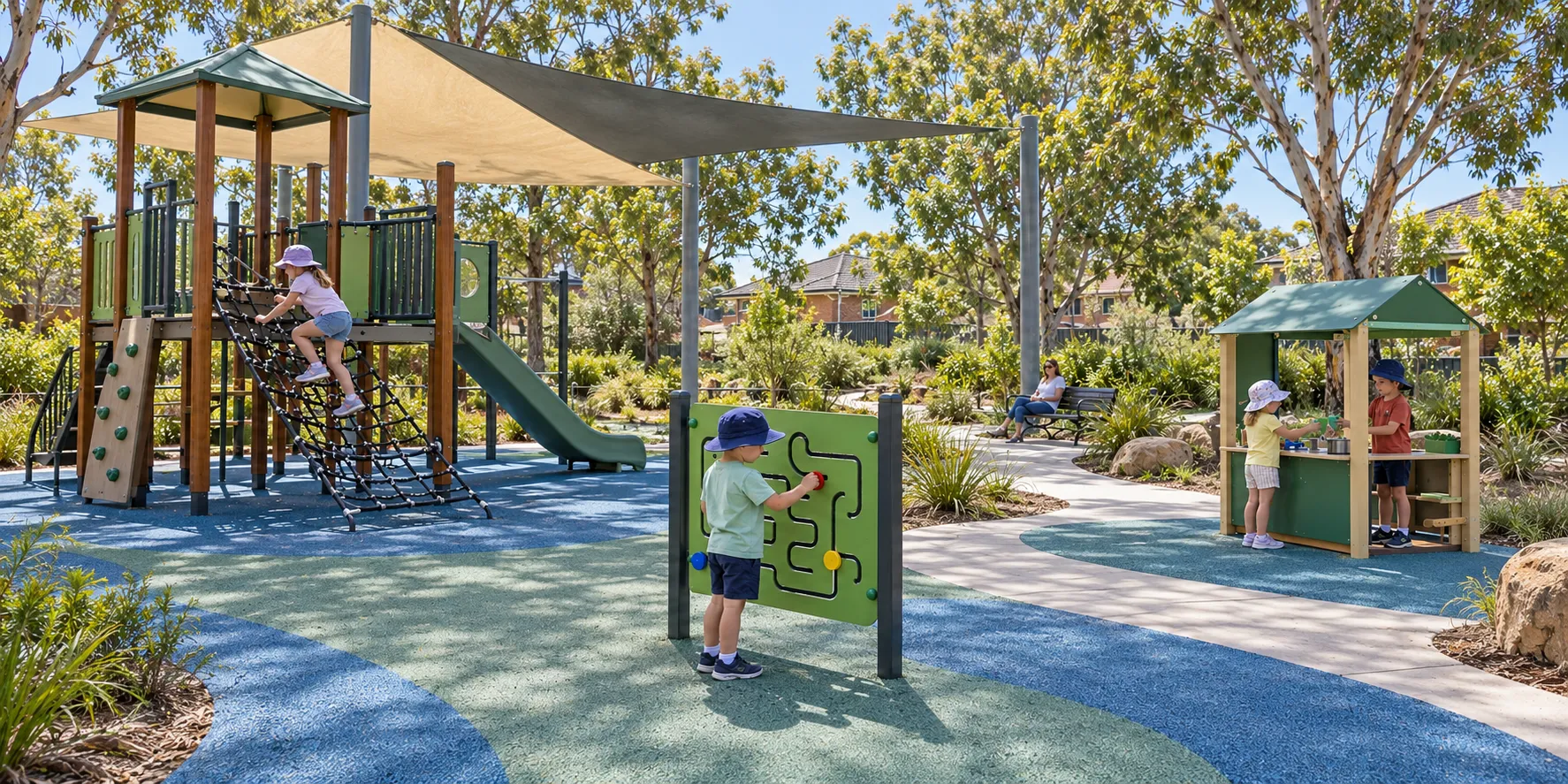
Some playground features operate through a turn-taking cycle. A child reaches the activity, uses it and clears the space before the next child can begin. The longer this cycle takes, the fewer opportunities are available during a busy period.
Other activities allow several children to participate independently. Separate interactive stations, for example, can provide opportunities for children to play without waiting for another user to finish elsewhere. Shared activities may also accommodate multiple participants, but it depends on the design and intended use.
Neither arrangement is automatically better. A sequential activity might provide a distinctive challenge that justifies its place in the design. The aim is to ensure the layout offers enough appealing alternatives while that feature is occupied.
When comparing equipment, identify which activities require turns, which support simultaneous participation and which remain accessible when neighbouring features are busy. This provides a more meaningful basis for comparison than counting components or measuring the structure's footprint alone.
Shared Access Points Can Limit an Entire Structure
Several playground activities may depend on a single ladder, narrow platform or approach. When that access point becomes congested, children can be prevented from reaching multiple features, even if those activities could otherwise be used independently.
Review the layout as a network of routes and destinations. Entry points, transitions between activities and exit routes all influence how easily children can use the equipment.
Several Attractions Reached Through One Entrance
Imagine a structure with several appealing features positioned beyond one climbing access point. Children may be able to use those features independently once they reach the platform, but everyone must first pass through the same entrance.
Different climbing speeds, pauses and the time required to clear the platform can affect access to every activity beyond it. The structure may offer plenty of features on paper while providing fewer practical choices during busy periods.
Shared access is not necessarily a design flaw. A connected structure can create a valuable sequence of play experiences, and the climbing route itself may be an important activity. The question is whether children have alternative opportunities when that route is occupied.
Ask the supplier to trace the route to each main attraction. Which activities can children reach without joining the same access sequence? If the entrance becomes busy, can other features still be used?
These questions are necessary on compact sites, where adding more components may not increase usable capacity if they all depend on the same restricted approach. Guidance on choosing play features for small areas can help buyers assess how available space can accommodate a practical mix of activities.
Popular Activities Placed on a Through-Route
Congestion can also occur when an activity occupies the route to another feature. Children using an interactive panel may naturally pause in the same area that others need to cross. Although the activity itself works well, its position can interfere with movement through the playground.
During a design review, consider where children are expected to stand while using each feature. The space needed for participation should be considered separately from the route past it. Likewise, check where children finish an activity and whether those leaving are likely to meet others approaching.
Ask the supplier to identify access routes, activity spaces, exits and required clearances on the proposed drawings. Any adjustments should be assessed as part of the complete design, since moving a feature or introducing another route may affect other activities and safety requirements.
A clear layout should show not only where each component sits but also how children are expected to approach, use and leave it without unnecessarily obstructing other users.
Should I Duplicate a Popular Feature or Add Something Different?
A persistent queue can indicate strong demand for one activity, but it may also suggest that the alternatives are not appealing or suitable for the children using the playground. Identifying the cause helps determine whether another version of the same feature or a different activity would be more useful.
Before adding equipment, observe where waiting occurs, which activities attract demand and if children have other options available.
Repeated Stations That Relieve a Predictable Queue
Duplicating a feature may help when children consistently seek the same activity and the existing turn-taking cycle is the main constraint. A second independently accessible station can allow more children to enjoy that experience without waiting for the original to become available.
The key is whether the two stations can operate independently. If both sit beyond the same restricted entrance, they may continue to share the original bottleneck. Adjacent features can also create conflicts if their approaches, user spaces or exits overlap.
For existing playgrounds, observations across several busy periods provide a better basis for decisions than a single snapshot. Record which activity attracts waiting, where the queue forms and if other suitable features remain available. This helps establish whether the problem relates to the activity itself or the route children must take to reach it.
For new projects, ask the supplier to explain the assumptions behind a recommendation to duplicate a feature. The proposal should account for the intended users, likely patterns of play and layout constraints, rather than relying on popularity alone.
Complementary Activities That Spread Demand
A different activity may provide more value when children are waiting because the rest of the playground offers limited alternatives. Adding another version of the same experience increases access to that activity but does not necessarily improve the range of available play opportunities.
Complementary activities give children different reasons to participate. A playground might combine a sequential climbing feature with independently usable interactive elements and opportunities for shared imaginative play. This allows some children to engage elsewhere while a popular feature is occupied.
Multi-user activities also deserve careful assessment. Some designs allow several children to participate in the same experience, while others simply position separate stations close together. Both arrangements can contribute to capacity, but they do so differently. Check the intended number of users and whether one child's activity restricts another's access.
Compare each proposal against the needs of the intended user group and the site's constraints. For schools, choosing features for a school environment also involves considering age suitability, available space and expected patterns of use.
A useful supplier comparison should explain what each option improves: access to a popular activity, the range of available experiences or the ability to use several features independently. These differences are more valuable than simply comparing how many components each proposal contains.
How Can I Assess the Proposed Layout During Peak Demand?
A playground that functions well during a quiet visit may become congested when many children arrive within a short period. Assessing likely peak demand helps reveal whether activities remain accessible when several children want to use different parts of the area at once.
Start with realistic information about the site rather than relying on an unsupported occupancy estimate. Consider the number and ages of expected users, the duration of busy periods and whether children tend to arrive together or throughout the day.
Short School Breaks and Fluctuating Park Attendance
School playgrounds often experience concentrated demand during recess and lunch breaks. A feature with a lengthy turn-taking cycle may provide few opportunities during these periods, even if it performs adequately when children arrive at different times.
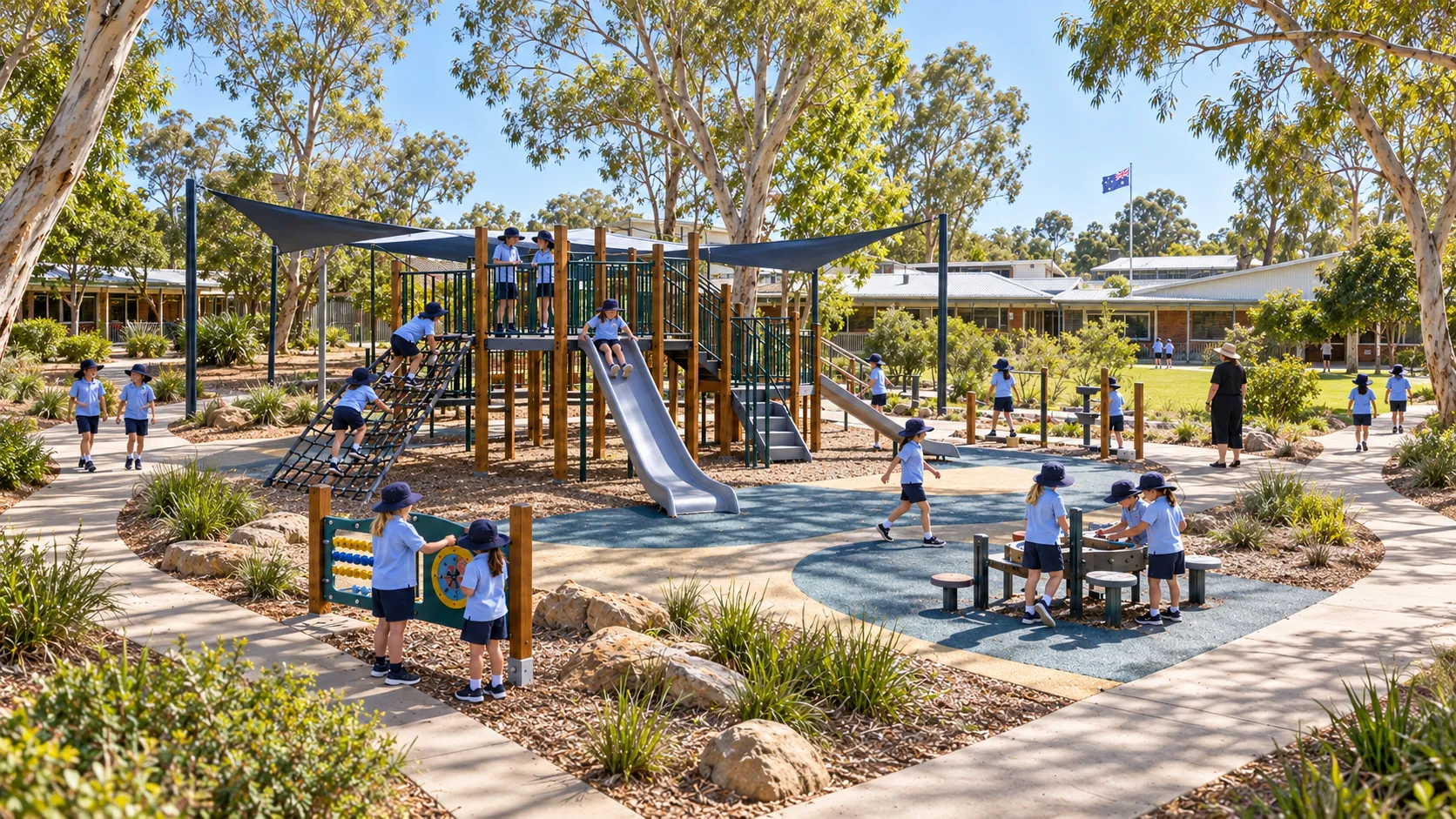
Tell the supplier how long the main play periods last, which age groups will use the equipment and whether access is concentrated around specific times. Ask which activities children can begin independently and which depend on another user finishing first.
Public parks can experience more variable attendance. Several families or groups may arrive together, increasing demand for popular features and shared routes. Consider if children of different ages can find suitable activities when a central attraction is occupied.
During an assessment, distinguish between two causes of congestion:
- Limited access: Children cannot reach an activity because an entrance, platform or route is occupied.
- Limited choice: Children have access to the playground but few appealing alternatives to the activity they want to use.
The distinction matters because the solutions differ. A layout change may improve access, while a broader mix of activities may be more useful when demand is concentrated on one type of play.
A Worked Comparison of Two Equipment Arrangements
Consider two hypothetical proposals with broadly similar footprints and several advertised activities. Neither can be declared superior without reviewing the actual specifications, intended users and site conditions.
In the first arrangement, most activities are connected through one main climbing entrance. A popular feature is positioned besides a platform that children must cross to reach other activities. Although several options are available once children enter the structure, they share the same initial route. Queues at the entrance or interruptions around the popular feature may affect access throughout the structure.
In the second arrangement, several independently usable features are distributed around the play area alongside a connected structure. Children can use some activities without entering the main structure or waiting for its climbing access. This creates additional opportunities for simultaneous participation, provided the features have suitable access and do not obstruct one another.
The second arrangement may support more independent play, but this does not automatically make it the better design. The activities must still suit the intended children, provide experiences and meet applicable safety requirements. The first arrangement may be preferable where a connected sequence of physical challenges is central to the project's objectives.
Choosing Playground Equipment That Supports Meaningful Participation
A playground's practical capacity depends on more than its size or the number of features included. Turn-taking cycles, shared access points, circulation routes and the suitability of alternative activities all influence how many children can participate at the same time.
Before approving a proposal, compare how the equipment will function during the busiest periods, identify activities that depend on the same routes and consider whether additional features would improve access or simply add more components. Ask professionals to explain their capacity assumptions and demonstrate how the layout supports independent and shared play.
Playtec can help schools and councils evaluate playground equipment options in relation to their intended users, available space and project requirements. Focusing on how children will actually use the finished playground makes it easier to choose a layout that balances variety, accessibility and practical day-to-day use.


