

Is a Playground Worth the Investment?
One of the most common questions venue operators ask is, “How do I justify the cost of a playground to my board?” It’s a fair question and one we’ve been helping answer for over 30 years. This page breaks down, in practical terms, how a well-designed indoor playground performs from a return on investment perspective.
Playtec has worked with pubs, clubs and hospitality venues across Australia for over 30 years. The outcome is consistent. When designed correctly, an indoor playground is not a cost centre. It is a revenue-generating asset.
The short answer is straightforward. In most cases, a Playtec playground pays for itself within 3-6 months. Here’s how that works.
Why Playgrounds Drive Food & Beverage Revenue
Research and Playtec's own experience across hundreds of pub and club installations consistently show:
- Parents with young children actively avoid venues without a playground
- A quality indoor playground removes the primary barrier for family visitation on weekends and public holidays
- Families attracted by a playground typically order meals and multiple rounds of beverages, they come to stay, not to rush
- Indoor play drives consistent visitation 365 days a year, regardless of weather or season
The key economic insight is this: the families a playground attracts are additional customers who would not have visited your venue if the playground was not there. Every dollar of gross margin they generate is net new revenue.
Soft Play vs. Hard Play. Why It Matters for ROI
Not all playground formats deliver the same commercial outcome. The distinction matters:
Hard Play
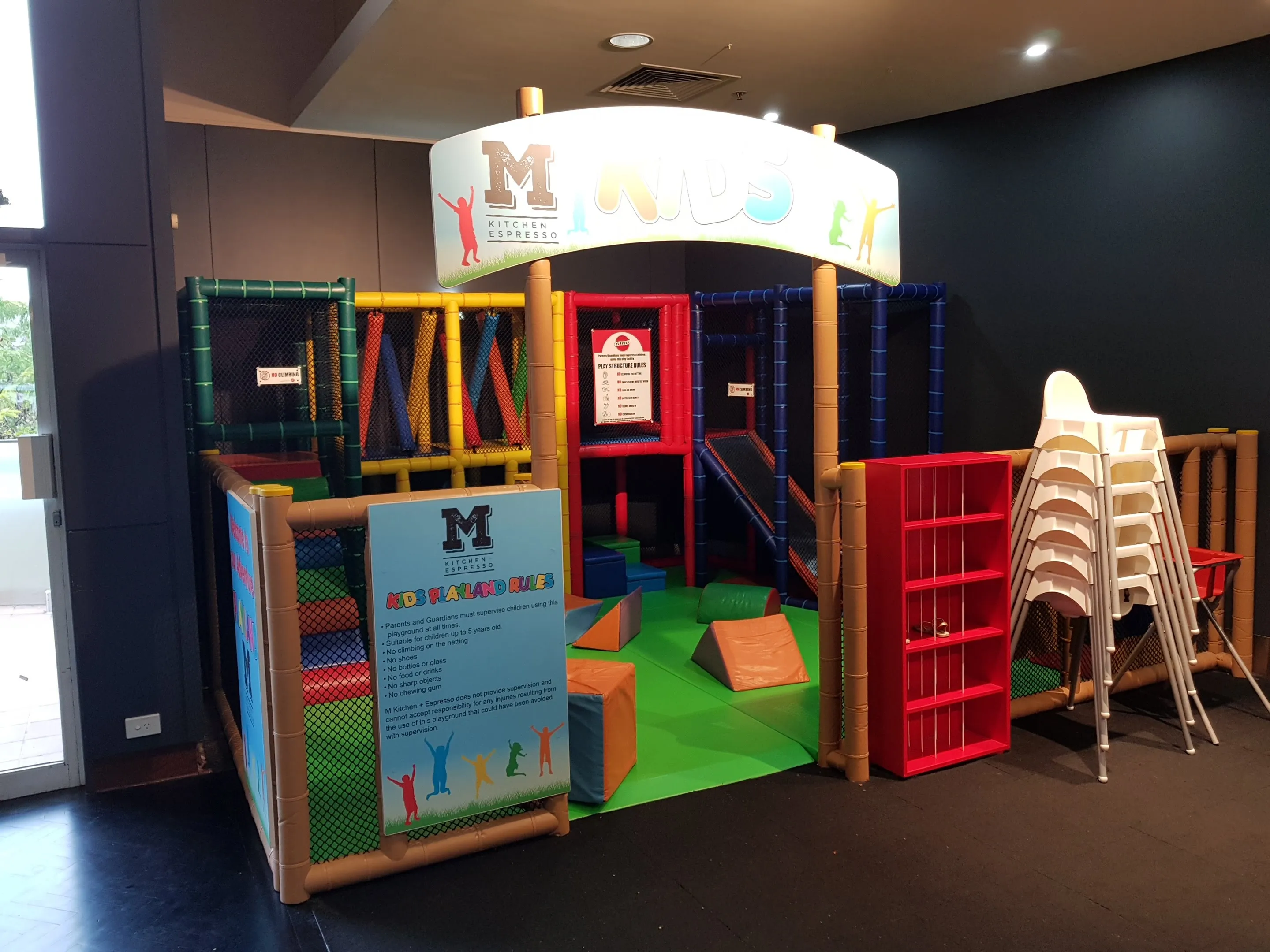
Hard-material playgrounds, commonly seen in fast food environments, are designed for turnover. Crawling on hard plastic is uncomfortable over time, so children move on. This works for quick service models, but it does not align with the objectives of pubs and clubs.
Soft Contained Play (Playtec's Specialty)
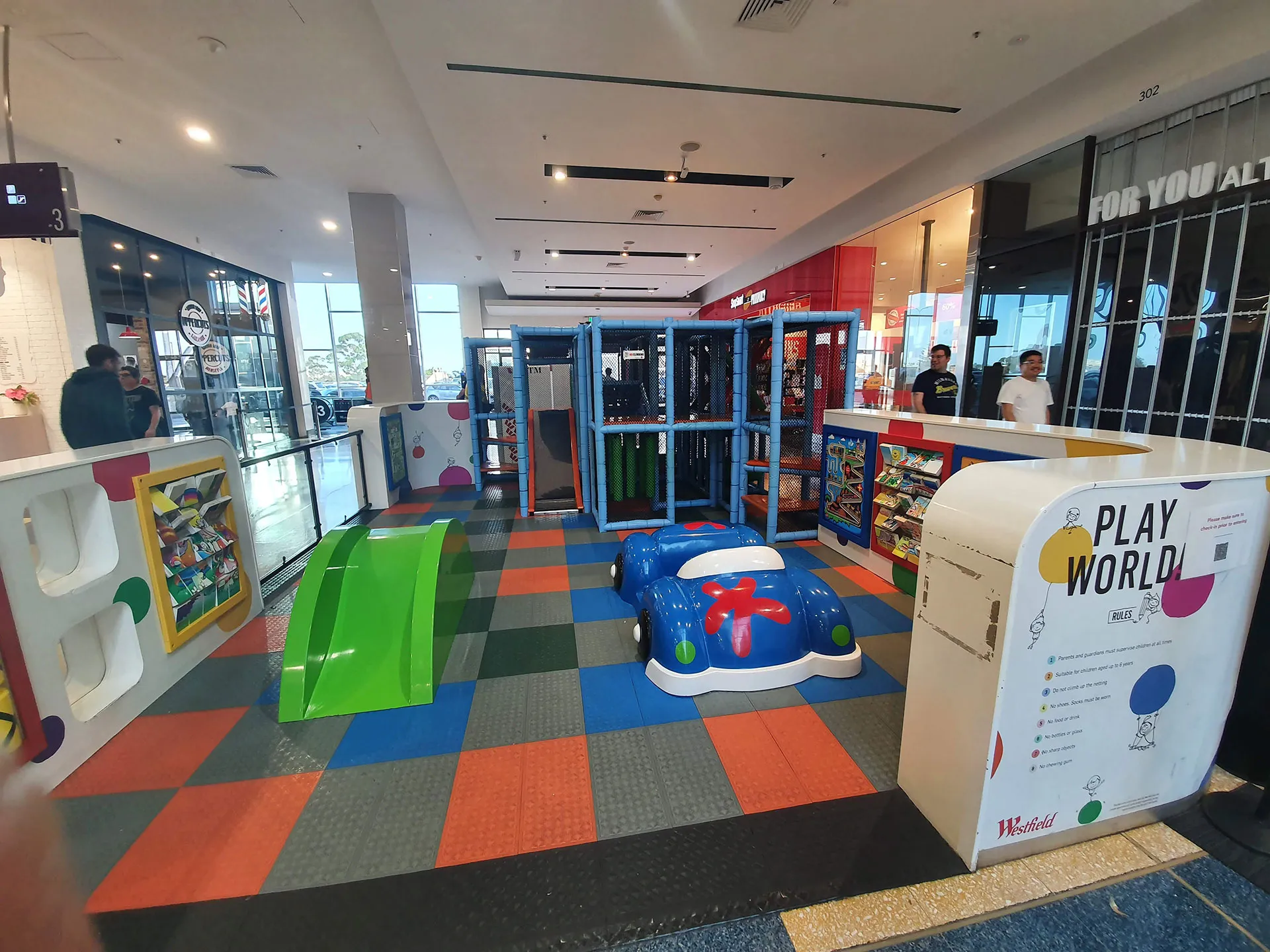
Soft cushioning materials make play comfortable over extended periods. Children remain engaged for longer periods, which allows parents to stay seated, order additional food and beverages and spend more time in the venue.
There are also practical benefits. Soft contained structures have no significant fall heights, require less space and allow for easy supervision from surrounding seating areas.
For hospitality venues, this format delivers stronger revenue per square metre.
The Playground Payback Calculation
The model below is the same framework Playtec has shared with venue operators and hospitality groups across Australia. All assumptions can be adjusted to reflect your specific venue size, trading patterns, and gross margin profile.
Key assumption: the families counted in this model are those who would not have visited your venue if the playground was not there. Only net-new family visits should be included. Even using very conservative assumptions, the payback period is typically measured in months, not years.
*Play capacity will be determined during the design of the Playground, taking into consideration the space available for the playground and the dining capacity at the pub.
Scaling the Model, Small to Large Venues
The example above uses a 40-child playground at approximately $80,000 delivered and installed. Playtec's playground range covers a wide spectrum of sizes and price points. Here are two additional reference points from recent installations:
.webp)
Raby Rose Hotel, Raby NSW
- Area: 43m²
- Play Capacity: 40
- Special Features: Separated Older and Younger Area, Tube Slide, Play Sphere, Floor Gadgets
- Delivered and Installed Price: $80K
- Installed in 8 hours
- 4th playground we have designed, manufactured and installed for the De Angelis Group
Court House Hotel, Tamworth NSW
- Area: 24m²
- Play Capacity: 18
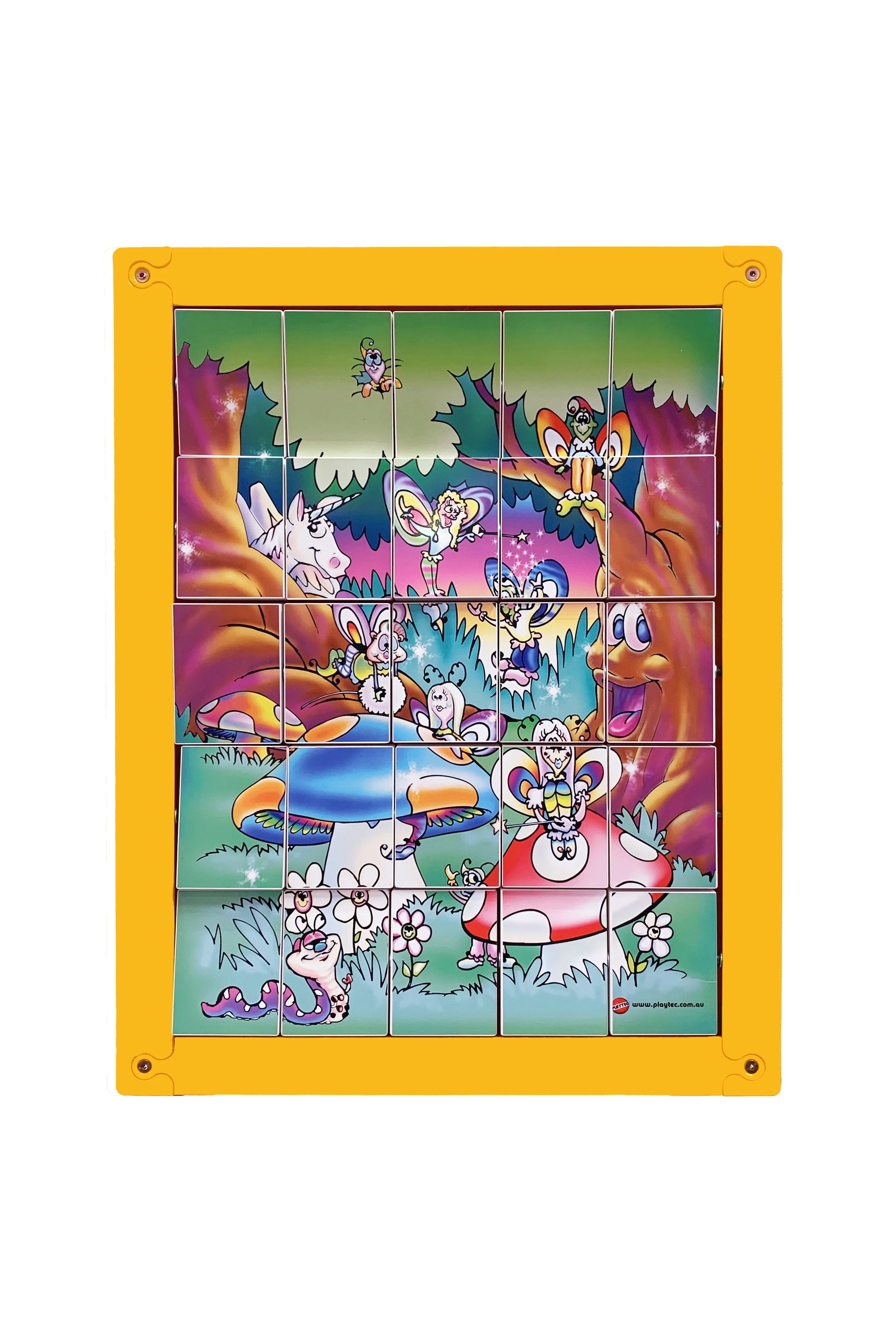
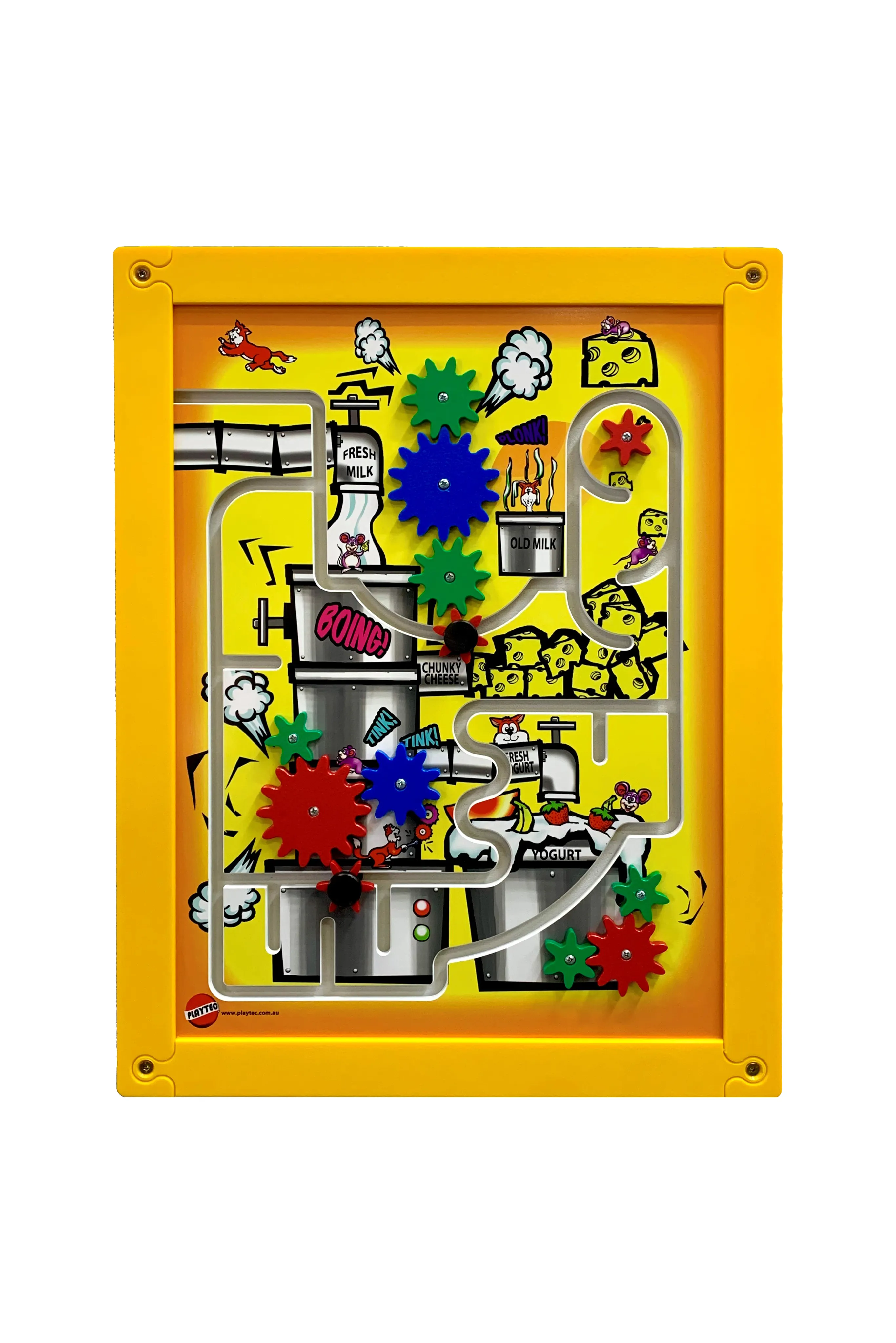
- Special Features: Younger Area, Gadget Panels, Floor Gadget
- Delivered and Installed Price: $24K
- Installed in 3 hours

Richmond Inn Hotel, Richmond, NSW
- Area: 24m²
- Play Capacity: 22
- Special Features: Younger Area, Massive Ball Pool, Special Window Access, Themed Wall
- Delivered and Installed Price: $28K
What the Gross Margin Assumption Covers
The gross margin per family visit is the net margin on food and beverage spend after direct costs. For clubs and hotels:
- Beverage gross margins are typically the highest and your venue will retain these in full.
- Food gross margin depends on your kitchen arrangement (in-house or leased). Your kitchen operator will have this figure.
- Even where the kitchen is leased, the beverage margin alone may be sufficient to justify the investment.
The Business Case in Summary
A well-specified indoor playground from Playtec is not a cost. It is a revenue-generating asset. The analysis consistently shows:
- Payback periods of 3 to 6 months under conservative assumptions
- Annual gross margin contribution that far exceeds the initial capital outlay
- A sustainable, ongoing competitive advantage in attracting family customers
- Secondary benefits including increased beverage sales, function bookings from family groups, and positive word-of-mouth

Your Own ROI Analysis
Every venue is different. Playtec is happy to work through a customised ROI analysis with you based on your specific playground size, your venue's trading patterns, and your gross margin profile. This analysis can be prepared in a format suitable for presentation to a board, management committee, or ownership group.
We can also provide a downloadable version of the payback model as a spreadsheet, allowing you to adjust the assumptions to reflect your own estimates and stress-test the numbers before making a decision.
Request your free ROI analysis
Tell us about your venue and we'll prepare a customised payback analysis — in a format ready to present to your board or ownership group.


.svg)

