

Play spaces across Australia have changed significantly, but many playgrounds are still built around ideas that no longer reflect how children play today. With higher levels of stimulation in everyday life, traditional layouts and older commercial playground equipment often struggle to hold attention beyond the first few visits. What once worked as a simple outdoor attraction can now feel repetitive and easy to outgrow.
At Playtec, we see this shift clearly when working with schools, councils and commercial operators across Australia. Expectations around outdoor play have grown, and demand is moving away from one-size-fits-all structures towards environments that encourage exploration, social interaction and return visits. Understanding why traditional playground designs lose relevance is the first step in creating play spaces that stay engaging, adaptable and well-used over time.
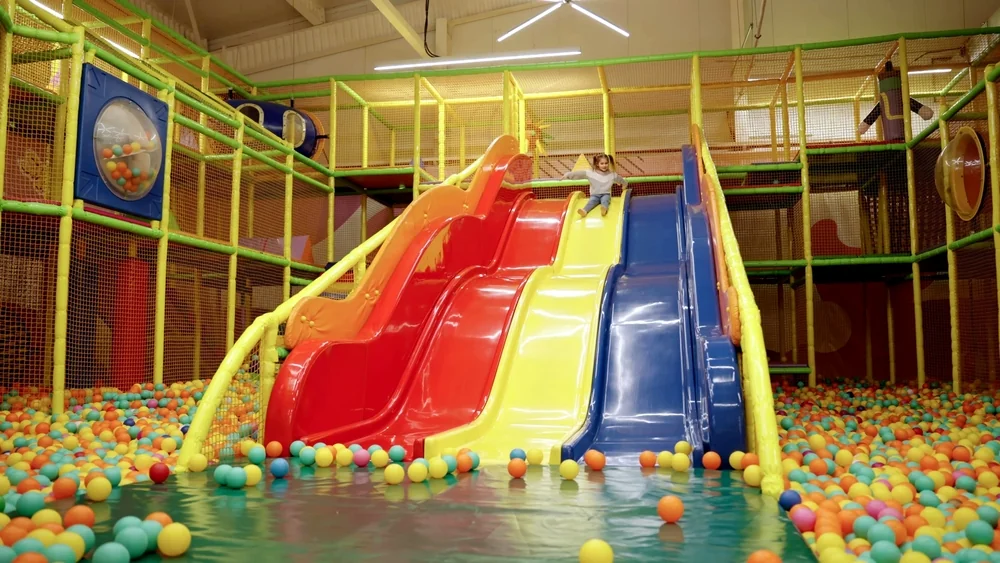
Why Kids Are Disengaging From Traditional Playground Designs
Many older play areas were built around standard designs that suited a different generation. These layouts often focus on a narrow range of movements and repeat the same experience visit after visit. Over time children lose interest because there is little challenge or surprise or even a sense of discovery. The result is a space that looks fine but feels forgotten.
Repetitive Equipment That Offers Limited Play Variety
When play options feel predictable, children quickly move on. Familiar layouts do not reward exploration or encourage repeated visits, particularly in public playgrounds that children visit weekly through school, childcare or community use.
Identical structures create the same experience every time a child visits, and that familiarity fades fast. Without variety, children stop seeing the space as something to explore and begin using it only briefly before moving on. Limited movement options also reduce physical challenge, making play feel flat rather than active.
Children naturally gravitate towards environments that let them climb, balance, spin and test themselves in different ways. When those options are missing, creative and shared play drops off, and interaction becomes shorter and more individual. Over time, this reduces how often the space is used and how long children stay engaged.
Play Structures That Don’t Adapt as Children Grow
Children develop quickly, and their play needs change just as fast. Fixed designs often cater to a narrow age range, which can work initially but becomes a limitation over time.
In school and council-managed play spaces, this often shows up as a sudden drop in use once children outgrow the equipment. Younger children may still engage, but older children stop returning altogether, even though the space is still visually intact. This limits long-term community value.
Play environments that allow progression, such as varied heights, layered challenges or adaptable elements, support ongoing engagement across different age groups. Without this progression, play spaces lose relevance far earlier than expected.
Short Attention Spans and Changing Play Expectations
Children today are used to fast-moving, responsive experiences. Static environments struggle to compete with this level of stimulation, particularly in public spaces where children have many alternatives for play and interaction.
Modern children expect some level of response from their surroundings, whether that is movement, sound, challenge or change. In practice, this means play areas that offer multiple ways to interact rather than a single fixed outcome. Spaces that allow children to shift how they play during a visit tend to hold attention longer.
Shorter attention spans do not mean less interest in play. They mean play environments need to offer layers of engagement so children can move between activities without losing interest.
How Modern Play Environments Keep Children Engaged
Newer play spaces are designed with engagement at their core. They focus on interaction and creativity rather than fixed routines. These environments invite children to explore in different ways each time they visit. Engagement comes from discovery and shared experiences.
Interactive and Sensory-Based Play Elements
Sensory input deepens engagement and encourages longer play sessions, especially in shared public environments such as schools and community playgrounds. Children respond strongly to movement, sound and tactile feedback, which makes play feel active rather than passive.
For example, textured surfaces, responsive elements or components that change with movement give children immediate feedback. This cause-and-effect interaction keeps play rewarding without needing instructions or supervision. These features also support inclusive play by appealing to different play styles and sensory preferences.
Sensory interaction adds depth to play experiences and helps prevent spaces from feeling repetitive after only a few visits.
Modular Designs That Allow Change and Variety
Flexible layouts prevent boredom and extend the lifespan of a play space. Modular elements allow environments to evolve over time, which is particularly valuable for councils and schools managing long-term assets.
In practice, this might mean rotating components, staged upgrades or adaptable zones that change how children move through the space. Even small changes can make a familiar playground feel new again. This approach supports long-term planning without requiring full replacement.
Modular design keeps play environments relevant while allowing them to respond to changing community needs.
Encouraging Imaginative and Social Play
Open-ended play supports creativity and cooperation. Children enjoy spaces where they can invent stories and roles together. Social connection strengthens engagement.
- Loose themed elements invite storytelling and group interaction. Children create their own rules and narratives.
- Shared features encourage cooperation rather than solo play. This builds stronger social skills.
- Imaginative spaces appeal to a wider age range. Older children stay engaged longer when creativity is involved.
Imagination transforms how children use play spaces. Social play keeps them coming back together.
Inclusion and Accessibility Are No Longer Optional
Inclusive design is now an expectation across Australian public play spaces. Communities increasingly expect playgrounds to welcome children of different abilities, ages and sensory needs.
In school and council settings, inclusive design supports shared play rather than separation. Accessible pathways, varied challenge levels and sensory-friendly zones allow children to participate together, building confidence and social connection. This benefits all users, not just those with specific needs.
Inclusive design strengthens community trust and ensures play spaces are genuinely shared environments.
Designing for Different Abilities and Sensory Needs
Inclusive spaces remove barriers to participation. Children of all abilities deserve meaningful play experiences. Thoughtful design makes this possible.
Accessible pathways allow easy movement through the space. This supports confidence and independence. Sensory-friendly zones provide calm engagement options. These areas suit children who need quieter play. Multiple entry points ensure everyone can join activities together. No child feels excluded.
Inclusive design strengthens community connection. It ensures play is shared by everyone.
Supporting Shared Play Across Age Groups
Play areas should bring families together. Spaces that cater to multiple ages encourage longer visits. Shared play builds stronger social bonds.
Layered challenges allow children of different ages to play side by side. Everyone finds something engaging. Family-friendly layouts support supervision and interaction. This increases comfort and trust. Shared zones encourage cooperative play between siblings and peers. Play becomes a group experience.
Multi-age design keeps spaces active and welcoming. It supports family-focused play.
Meeting Contemporary Australian Playground Expectations
Expectations around playground design have evolved across Australia. Communities now expect play spaces to be safe, engaging and reflective of how children actually play.
Well-designed public playgrounds support long-term use by balancing creativity, accessibility and durability. When spaces feel thoughtfully planned, they become valued community assets rather than underused installations.
Meeting these expectations supports longevity, trust and ongoing community pride.
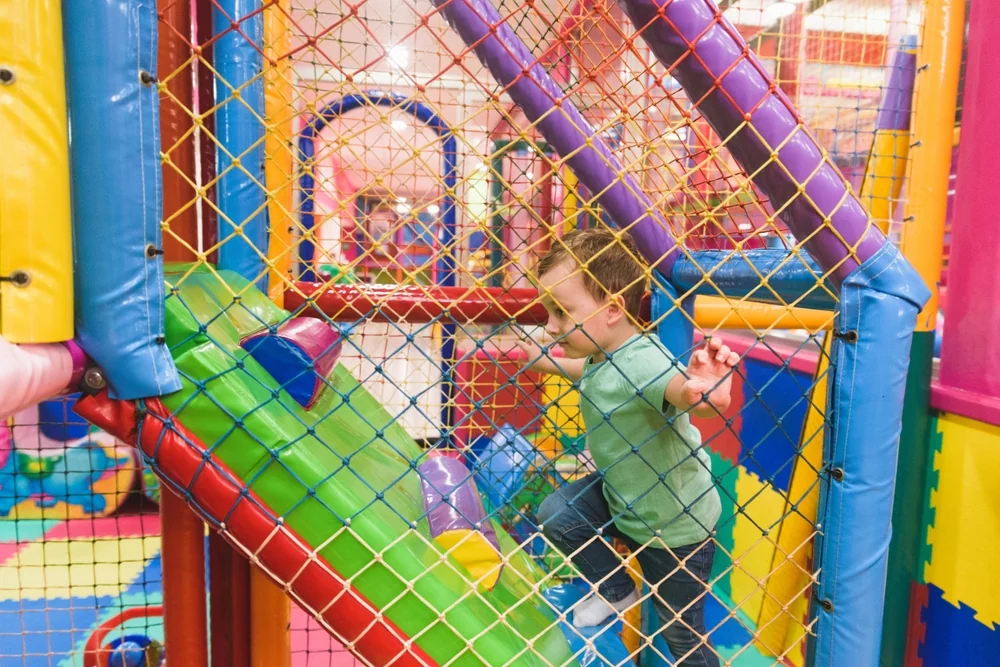
What Today’s Playgrounds Need to Do Better
Modern play spaces must balance creativity and longevity. Space constraints and long-term relevance all matter. Thoughtful design addresses these challenges upfront. The goal is sustained engagement rather than short-term appeal.
Making Better Use of Limited Space
Smaller footprints require smarter design. Every element must serve a purpose. Efficiency increases engagement.
Vertical play features expand activity without increasing footprint. This maximises movement options. Multi-use elements support different play styles in one area. Space feels richer and more dynamic. A clear layout improves flow and safety. Children move confidently through the space.
Smart design makes limited space feel expansive. It improves play value without expansion.
Designing for Durability and High-Use Environments
High traffic demands robust solutions. Materials and layout must withstand constant use. Durability protects long-term investment.
Strong materials reduce maintenance needs and downtime. This keeps spaces open and inviting. Design choices minimise wear in high-contact areas. Longevity improves overall value. Consistent performance builds trust in the space. Communities rely on dependable play areas.
Durability supports consistent use. It ensures play spaces remain functional.
Creating Play Areas That Remain Relevant Over Time
Long-term success depends on how well a play space continues to meet changing needs. Children grow, communities evolve and expectations around play shift, so playgrounds need to be designed with the future in mind rather than a single moment in time.
Timeless design choices help prevent spaces from feeling dated too quickly. Neutral forms, natural materials and balanced layouts tend to age better than highly themed structures that can lose appeal as trends change. This allows play areas to remain visually inviting without frequent cosmetic updates.
Flexible layouts also play a key role in longevity. When equipment can be adapted, expanded or refreshed without major redesign, play spaces can respond to new users and changing community priorities. This approach extends lifespan and protects long-term investment.
Playgrounds that remain relevant are those that evolve alongside the people who use them. Adaptability ensures spaces stay active, valued and well used for years rather than becoming outdated after a short period.
Strong play environments respond to how children play and connect today. Engagement comes from variety and imagination rather than fixed routines. When spaces evolve with users, they remain active and valued. The future of play depends on thoughtful design choices made now.
Communities benefit when play spaces invite repeated visits and shared experiences. Well-designed environments support development with connection and enjoyment for everyone. As expectations continue to rise, play areas must rise with them. The goal is simple: to create spaces children want to return to again and again.


.svg)

