

Playgrounds have changed significantly over the years. What were once spaces focused mainly on physical activity are now carefully designed environments that support learning, creativity and social development. Interactive playground panels are a clear example of this evolution. They invite children to slow down, explore and engage in meaningful play that supports both the mind and body. Across Australia, schools, early learning centres and council parks are increasingly choosing these elements as part of modern playground design. At Playtec, we regularly see how thoughtfully designed interactive features can transform a playground into a space where children return again and again, discovering something new each time.
What Are Interactive Playground Panels?
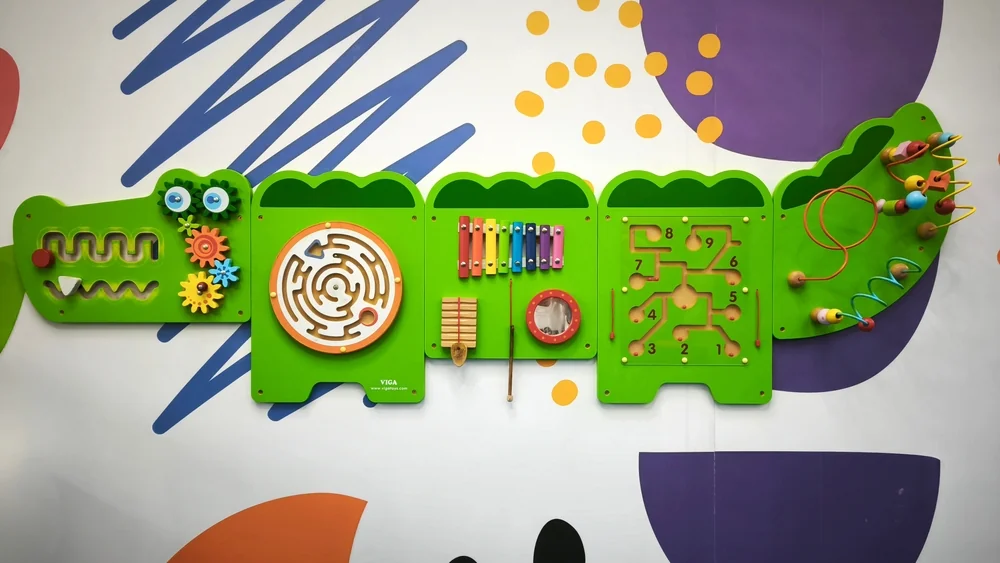
Interactive playground panels are hands-on play elements designed to encourage exploration, thinking and engagement. Rather than relying solely on running, climbing or swinging, these panels give children opportunities to interact through movement, touch and problem-solving. Often installed at ground level or integrated into play structures, they are easy to access and suitable for a wide range of ages and abilities.
Children can approach panels at their own pace, choosing how long they play and whether they play alone or with others. This flexibility makes them especially valuable in shared environments where children have different confidence levels and learning styles.
Common Types (Sensory, Musical, Problem-Solving and Role-Play Panels)
Interactive panels come in many forms, each offering a different type of play experience. Including a mix of panel types helps create a more engaging and balanced playground.
Sensory panels
These panels include textured surfaces, spinning elements and visual patterns that encourage children to explore with touch and sight. Many children find these panels calming, often returning to them when they need a quieter moment during play.
Musical panels
Featuring chimes, drums or rotating sound components, musical panels allow children to experiment with rhythm and sound. They support creative expression while keeping noise at a manageable level in shared spaces.
Problem-solving panels
Maze paths, shape-matching activities and counting games help children practise reasoning, sequencing and early numeracy skills in a playful way.
Role-play panels
Designed around familiar themes such as shops, transport or nature, these panels spark imagination and storytelling. They often draw small groups of children together, encouraging shared play and conversation.
Together, these play panels support both independent exploration and cooperative play.
How Panels Fit Into Modern Playground Design
Modern playgrounds are designed with variety and accessibility in mind. Instead of a single central structure, today’s playgrounds often include multiple zones offering different types of play. Interactive panels fit naturally into this approach. They can be placed along pathways, attached to fences or walls, or used to link active areas with quieter spaces. Their compact design makes them ideal for both smaller school playgrounds and larger community parks.
Why Centres and Councils Are Adding More Sensory Play Elements
There is growing awareness across Australia of the role sensory play plays in early childhood development. Sensory-rich environments help children manage emotions, stay focused and feel more comfortable in shared settings. Interactive panels offer a practical way for centres and councils to introduce sensory play without the higher maintenance demands of larger equipment, making them a popular and effective choice.
Key Developmental Benefits for Children
Interactive playground panels support development in several important areas. By combining physical interaction with thinking and creativity, they help children build skills that extend well beyond the playground.
Cognitive Skills Including Memory, Problem-Solving and Early STEM Thinking
Many panel activities gently challenge children to think while they play. Through matching games, sequencing tasks and cause-and-effect activities, children begin to strengthen:
- Memory and concentration
- Logical thinking and -solving skills
- Early STEM understanding, including patterns, numbers and spatial awareness
These experiences help support learning readiness and confidence in the classroom.
Motor Skills, Including Fine Motor Control, Hand-Eye Coordination and Grip Strength
Interactive panels are particularly effective for developing fine motor skills. Turning wheels, sliding pieces and tracing paths all require controlled movements. Over time, these actions help improve:
- Hand-eye coordination
- Finger strength and dexterity
- Grip strength needed for writing, drawing and everyday tasks
This type of play complements larger equipment that focuses on gross motor development.
Social and Emotional Learning, Such as Turn-Taking, Cooperation and Confidence
Many panels naturally encourage shared use, creating opportunities for social interaction without pressure. As children play together, they practise:
- Taking turns and following simple rules
- Communicating and working cooperatively
- Building confidence as they master new challenges
These small social interactions play an important role in emotional development and positive peer relationships.
Sensory Development Through Sight, Touch and Movement
Interactive panels often engage multiple senses at once. Visual contrasts, tactile materials, gentle sounds and movement-based activities help children process sensory information in a balanced way. For some children, these experiences are energising, while for others they provide a calming focus during busy play sessions.
How Play Panels Encourage Inclusive Play
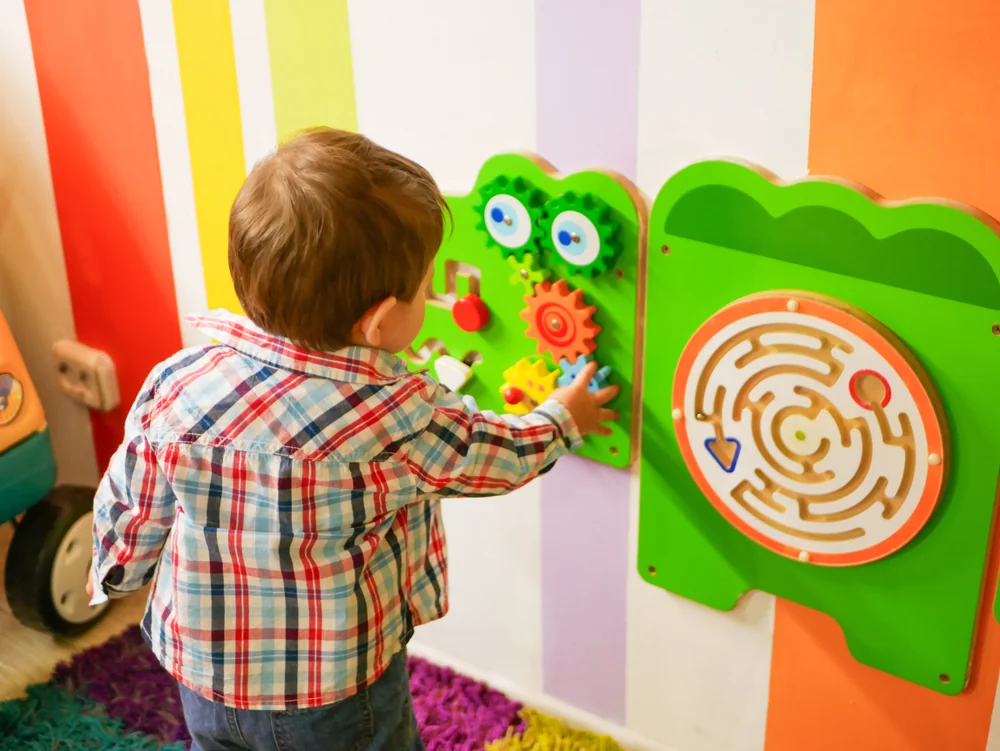
Inclusive playgrounds aim to create spaces where every child feels welcome and able to participate. Interactive panels contribute strongly to this goal by offering accessible and adaptable play experiences.
Supporting Children With Different Abilities and Learning Styles
Children engage with play in different ways. Some enjoy active movement, while others prefer quieter, more focused activities. Interactive panels allow children to choose how they play, whether independently or alongside others. This flexibility supports a wide range of abilities, interests and learning preferences.
Why Panels Work Well for ASD, ADHD and Sensory-Seeking Behaviours
For some children, including those with ASD, ADHD or sensory processing differences, traditional playgrounds can feel overwhelming. Interactive panels provide clear, predictable activities that many children find reassuring. Repetitive actions and simple outcomes can help children stay engaged and feel more confident while still being part of the wider play environment. It is important to note that every child is different, and panels offer options rather than a one-size-fits-all solution.
Accessible Heights, Clear Layouts and Low-Barrier Play Opportunities
Most panels are installed at accessible heights and require minimal physical strength to use. Clear layouts and intuitive designs reduce barriers to participation, making it easier for children using mobility aids or those who prefer ground-level play to join in confidently and independently.
Choosing the Right Playground Panels for Your Space
Selecting the right interactive panels helps ensure long-term value, safety and enjoyment. Careful planning at the start can also reduce future maintenance and replacement costs.
What Schools and ELCs Should Consider, Including Age Group, Layout and Durability
When choosing panels, schools and early learning centres should think about:
- The age range and developmental needs of the children using the space
- How panels will integrate with existing equipment and pathways
- Durability for high-use environments
Choosing age-appropriate designs helps keep children engaged while maintaining safety and longevity.
Weather-Resistant Materials and Safety Standards
Australian playground equipment must withstand strong sun, rain and, in many areas, coastal conditions. Quality panels are made from UV-stabilised plastics, durable metals and robust finishes designed for outdoor use. Compliance with Australian Standards is essential to ensure safety, reliability and peace of mind for schools and councils.
The most effective playgrounds offer a mix of play experiences. Interactive panels work well in quieter or creative zones that balance more active areas like climbing and running. This variety allows children to move between high-energy play and focused activities, helping them self-regulate and stay engaged for longer.
Interactive playground panels are more than a simple addition to a play space. They support learning, inclusion and development in ways that reflect how children naturally play and learn. By encouraging thinking, creativity and sensory exploration, play panels help create playgrounds where children of all abilities feel confident and engaged. At Playtec, we believe that well-designed interactive panels play an important role in building playgrounds that deliver lasting educational and social value for schools, early learning centres and communities across Australia.


.svg)

