

Selecting durable commercial playground equipment is one of the most important parts of planning a play space that will remain safe, functional and appealing over time. In schools, parks, childcare settings and other public environments, playground equipment needs to handle frequent use, outdoor exposure and ongoing wear without quickly losing its strength, finish or safety performance. Durability affects far more than how long the equipment lasts. It also influences maintenance demands, repair costs, downtime and how well the space continues to serve the people who use it.
This article explains what durability really means in a commercial setting and what to look for when comparing equipment. It covers materials, structural design, safety compliance, vandal resistance, installation quality and long-term maintenance, helping buyers make more informed decisions when selecting equipment built for lasting performance.
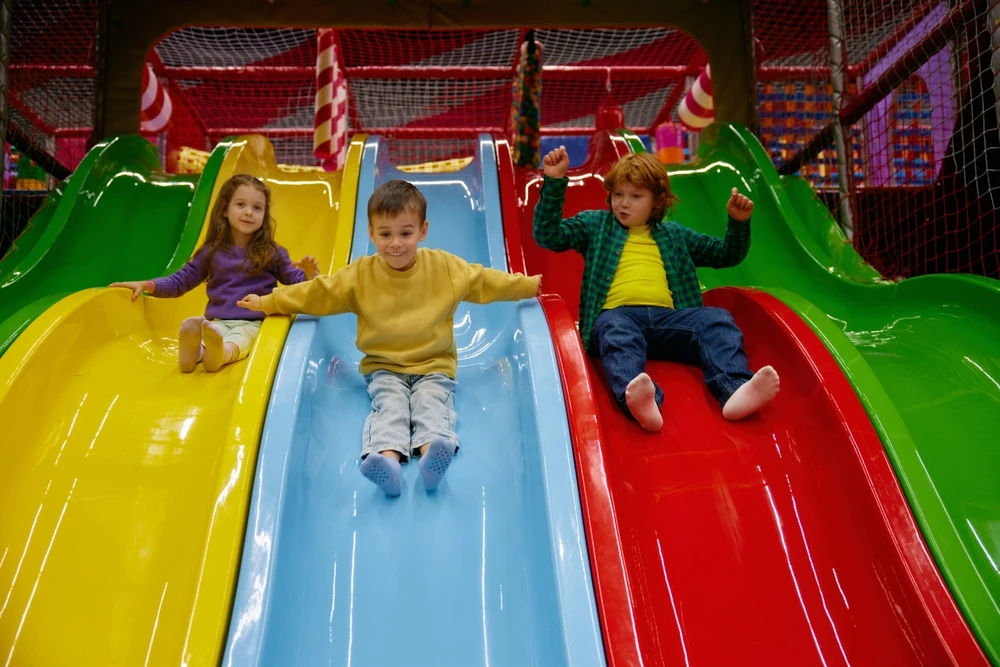
What Durability Means in a Commercial Playground
In a commercial playground, durability is not simply about equipment lasting for many years. It is about how well the equipment performs during those years while exposed to heavy use, weather and the occasional rough treatment that comes with public play spaces. Equipment may still be standing after a decade, but if it becomes unstable, visually worn or costly to maintain halfway through that period, it has not performed particularly well.
A durable playground should hold its structure, finish and function under regular use while remaining safe and fit for purpose. This is what separates genuinely robust equipment from products that may look similar at first but begin to show problems much sooner once installed.
Built for Frequent and Demanding Use
Commercial playgrounds experience far more wear than private backyard play equipment. In many cases, they are used daily by large numbers of children across different age groups, often with little downtime between use periods. That level of activity puts repeated stress on platforms, steps, handrails, climbing elements, moving parts and surfacing.
Durable equipment is designed to cope with that sort of use without quickly loosening, flexing or breaking down. Posts should remain stable, decks should not noticeably bow under normal loads and fittings should not need constant tightening. If the equipment includes moving components such as swings, spinners or bearings, they should continue to operate smoothly without becoming noisy, loose or difficult to use after only a short period.
Able to Handle Long-Term Outdoor Exposure
Weather plays a major role in playground durability, particularly in Australia where equipment may be exposed to strong UV, heat, wind, heavy rain and, in some locations, coastal salt. These conditions can quickly shorten the life of poorly specified materials.
Durable equipment should be able to resist corrosion, fading, cracking, heat damage and moisture-related deterioration over time. Protective coatings need to do more than make the equipment look good when new. They need to help preserve structural performance and keep the equipment safer for longer. Joints, fasteners and concealed areas are especially important because this is often where wear and corrosion begin.
Durability Also Affects Safety
A piece of playground equipment cannot really be considered durable if it becomes unsafe well before the end of its expected service life. Strength, stability and safety all need to hold up over time. Guardrails should stay rigid, steps should remain secure, finishes should not peel or create sharp edges and surfacing should continue to perform as intended.
This is why durability matters so much in commercial settings. It is tied not only to long-term value, but also to risk management, inspection outcomes and the ability to keep the playground open and usable without constant repairs.
Materials That Perform Well in Australian Conditions
Material selection has a major influence on how well commercial playground equipment performs over time. A material may be strong on paper but still prove unsuitable if it fades badly in UV, corrodes in coastal air or becomes difficult to maintain in a public setting.
Choosing the right material involves balancing strength, weather resistance, surface temperature, impact performance and maintenance requirements. The best choices are usually the ones that continue to perform well structurally and visually, even after years of use and exposure.
Steel for Strength and Structural Reliability
Steel remains one of the most widely used materials in commercial playground construction because of its strength and reliability. For structural posts, brackets and support frames, properly protected steel offers excellent long-term performance in many environments.
Hot-dip galvanised steel is commonly used because it helps resist corrosion and protects vulnerable areas such as welds and cut edges. A quality powder-coated finish over the top can further improve durability and appearance, provided the coating is suited to outdoor use and resists fading and breakdown. In harsher coastal settings, higher levels of corrosion protection may be needed depending on the site.
Stainless Steel in High-Exposure Areas
In coastal, marine or high-moisture environments, stainless steel can be a better choice for certain components. It is particularly useful for fittings, fixings, handrails and high-contact areas where long-term appearance and corrosion resistance matter.
Not all stainless steel performs the same way, so the grade used needs to match the conditions. In more exposed locations, this becomes especially important. Stainless components may cost more upfront, but in the right settings they often reduce maintenance needs and hold their finish better over time.
Plastics and Composites for Panels and Play Features
High-density polyethylene and similar commercial-grade plastics are widely used for playground panels, barriers, slides and activity elements. These materials are popular because they resist moisture, offer good impact performance and often hold colour better than painted surfaces.
UV stability is one of the most important things to look for. Outdoor plastics should be able to resist fading, surface breakdown and brittleness, especially in sunny climates. Through-coloured materials are often a better option because minor scratches are less visible. Composite materials can also perform well, but they need to be manufactured and supported properly to avoid cracking, flexing or delamination over time.
Timber Requires Careful Selection
Timber can still have a place in commercial playground design, particularly where a more natural look is desired, but it generally requires more care in both specification and maintenance. The species, treatment level and detailing all matter.
If timber is used, it should be suitable for outdoor commercial applications and detailed in a way that reduces moisture retention and ground contact where possible. Poorly detailed timber elements can deteriorate much faster than expected, particularly in wet, humid or coastal environments. In many settings, steel and UV-stable synthetic materials offer a more practical long-term option with lower upkeep.
Structural Design Matters Just As Much As Materials
Strong materials alone do not guarantee a durable playground. The way equipment is designed, connected and supported has just as much influence on long-term performance. Even high-quality materials can fail early if the structure is poorly detailed or if repeated movement places too much stress on joints and connection points.
When reviewing commercial playground equipment, it is important to look beyond appearance and consider how the structure manages load, movement and exposure over time.
Stable Posts, Decks and Connection Points
Support posts, decks and primary frame elements need to be sized and designed for frequent public use rather than occasional light use. Posts should feel solid and stable, platforms should remain firm under load and connection points should resist movement that can gradually lead to loosening or wear.
The quality of brackets, welds, bolts and joining systems is especially important because these are often the first areas to show problems. Durable equipment is usually designed so these points are protected, reinforced and less likely to shift or work loose under repeated use.
Good Design Reduces Future Problems
Well-designed equipment does more than meet structural requirements when new. It also helps reduce the kinds of issues that often develop later, such as trapped moisture, hidden corrosion, movement in joins or premature wear in high-stress areas.
Simple things such as how water drains away, how components are capped or sealed and how easy it is to inspect key parts can all affect the service life of the equipment. Good structural design tends to make maintenance easier as well, because early signs of wear are more visible and damaged parts are easier to access.
Safety Standards and Compliance Still Need Close Attention
Durability and safety are closely linked in commercial playgrounds. Equipment that wears poorly or loses stability over time will eventually become a safety issue, even if it was compliant when first installed. This is why compliance should not be treated as a box-ticking exercise during procurement.
Commercial playground equipment should be supported by clear compliance information, appropriate testing and documentation that shows how the system has been assessed against relevant requirements.
Compliance Should Be Clear and Verifiable
When reviewing suppliers, it is worth asking what standards the equipment has been designed and tested to meet, and whether those claims are supported by third-party evidence where appropriate. Clear documentation helps schools, councils and other operators make more defensible decisions when selecting equipment for public use.
It is also useful to understand whether the documentation covers only individual components or the full system as installed. Some issues only become apparent when structures, surfacing and fall zones are considered together.
Durable Equipment Should Stay Safe Over Time
Long-term durability means more than simply resisting damage. It also means the equipment should continue to meet safety expectations as it ages. Guardrails should remain secure, surfaces should not become hazardous and worn parts should be replaceable before they affect the safety of the whole structure.
This is where design quality and maintenance planning come together. Equipment that is durable in a practical sense should be easier to inspect, easier to maintain and less likely to develop hidden defects that go unnoticed until they become a larger issue.
Corrosion Protection and Site Conditions Should Never Be Overlooked
One of the most common reasons commercial playground equipment deteriorates earlier than expected is that the site conditions were not properly considered during specification. Climate, drainage, soil conditions and proximity to the coast can all affect how materials perform over time.
A playground installed inland under moderate conditions may require a different material and coating approach to one installed near the ocean, in a high-rainfall zone or on a site with poor drainage.
Coastal, Wet and High-Exposure Sites Need Extra Care
Salt-laden air, regular moisture and harsh sun can all shorten the life of playground equipment if protective systems are not suited to the location. Corrosion protection becomes especially important in these environments, not only for major structural elements but also for fixings, brackets and connection points.
Moisture traps should be minimised wherever possible. Hollow sections should be sealed or detailed appropriately, coatings should be suitable for the conditions and water should not be allowed to sit around posts or within structural cavities. These details may seem small at the specification stage, but they make a major difference over time.
The Ground Conditions Matter Too
What happens below ground is just as important as what is visible above it. Footings need to suit the soil, drainage and loading conditions of the site. If the supporting system is not designed properly, even high-quality equipment can begin to shift, settle or deteriorate earlier than expected.
This is why installation planning matters so much. Durable equipment needs durable support beneath it, not just robust materials above ground.
Features That Help Reduce Wear and Vandalism
Commercial playgrounds need to handle not only everyday use but also the possibility of rough treatment, misuse and vandalism. In many public settings, this is a practical reality that should be addressed through design rather than treated as an afterthought.
Playground equipment that is harder to damage, easier to clean and simpler to repair will generally perform better over time and cost less to maintain.
Stronger Detailing Helps Protect Vulnerable Areas
Posts, caps, panels and brackets should be designed to resist tampering, prying and repeated impact. Exposed edges and weak add-on parts can become common failure points, particularly in unsupervised or high-traffic public spaces.
Tamper-resistant fixings, securely fixed caps and more integrated component design can all help reduce the chance of parts being removed or damaged. Durable equipment tends to have fewer vulnerable details and better protection around the areas that receive the most wear.
Surface Finish Affects More Than Appearance
Surface finishes need to withstand scratches, repeated contact and cleaning, not just look attractive when first installed. In some locations, graffiti resistance and ease of cleaning may also be important considerations.
Smooth, durable finishes on appropriate materials can make maintenance easier and reduce visible deterioration. Through-coloured plastics, quality powder coating and hard-wearing deck surfaces can all help maintain appearance without constant attention.
Layout Can Also Influence Durability
The arrangement of the playground can affect how well it holds up over time. Equipment placed in visible, well-observed areas may be less likely to attract vandalism than structures in hidden corners. Likewise, designs that discourage climbing on roofs, outer frames or non-play surfaces may experience less avoidable wear.
Durability is not only about what the equipment is made from. It is also about how people are likely to use it in the real world and whether the design helps guide that use in sensible ways.
Installation Quality Plays a Big Role in Long-Term Performance
Even well-designed equipment made from durable materials can underperform if it is installed poorly. Installation has a direct effect on structural stability, drainage, surfacing integration and the long-term reliability of the playground.
This is why procurement decisions should not focus only on the equipment itself. The quality of the installation process matters just as much.
Poor Installation Can Shorten Service Life
If posts are not set correctly, fixings are over-tightened or poorly aligned, coatings are damaged during installation or surfacing is not finished properly around the structure, problems can begin much earlier than expected. These issues may not be obvious on day one, but they often show up later in the form of movement, corrosion, drainage issues or premature wear.
Attention to installation detail helps protect the long-term value of the equipment and reduces the risk of early remedial work.
Proper Site Preparation Supports Better Durability
Good installation starts before the equipment arrives on site. Site preparation, footing layout, drainage planning and coordination with surfacing all need to be considered properly. A durable playground system is not just a collection of durable parts. It is a complete installation that has been planned and executed well from the ground up.
Maintenance Requirements and Lifecycle Cost
Durability should always be considered alongside maintenance and whole-of-life cost. A lower purchase price may seem appealing at the beginning, but it does not always lead to better value once repairs, inspections, replacement parts and downtime are taken into account.
Looking at lifecycle cost gives a more realistic picture of what the equipment is likely to cost over the years it is in service.
Maintenance Needs Should Be Understood Early
Every commercial playground will require inspections and maintenance, but some systems are far easier and less costly to manage than others. Buyers should understand what type of upkeep the equipment is likely to require, how often components may need attention and whether replacement parts are readily available.
This includes routine visual checks, more detailed operational inspections and the occasional replacement of higher-wear items. Equipment that is simpler to inspect and maintain often performs better over time because problems are easier to catch early.
Better Value Is Not Always the Lowest Quote
True value comes from balancing upfront cost with service life, maintenance demands and repairability. Equipment that uses better materials, more durable finishes and stronger detailing may cost more at the start, but it often performs more reliably and costs less over time.
This is particularly important for schools, councils and public operators working with long-term budgets. A more durable specification can help reduce unexpected repairs, extend the useful life of the playground and support more predictable maintenance planning.
Choosing durable commercial playground equipment involves more than selecting something that looks strong or fits the budget. Long-term performance depends on the materials used, the quality of the structural design, the suitability of the equipment for the site and the standard of installation and maintenance planning behind it.
A durable playground should remain safe, stable and practical through years of regular use and outdoor exposure. Taking the time to assess materials, construction quality, compliance support and maintenance demands from the outset can lead to better long-term value and a more reliable play space for everyone who uses it.


.svg)

